


School technology budgets have been under pressure for a while now.
Over the past 12 months, most major technology manufacturers have pushed through regular price increases to keep up with higher manufacturing costs, component shortages, logistics, energy prices and general economic uncertainty. Most of these rises have been small and gradual, but they've steadily added up, pushing up the cost of replacing technology in schools.
Then, last Thursday, 25th June, the market saw something different, something that's now being talked about in boardrooms and staffrooms across the country.
Apple announced a significant global price increase across much of its education device range, and for many products the jump wasn't gradual, it happened overnight. Unlike the slow creep seen elsewhere in the industry, this change landed all at once, leaving schools facing unexpected extra costs for refresh programmes they'd already budgeted for.
Apple's announcement has put the issue in the spotlight, but the truth is rising technology costs are affecting the whole industry. Whether your school runs on Apple, Microsoft, Lenovo, HP, Dell or Google devices, getting the most out of the technology you already have has never mattered more.
For schools planning a refresh this year, it raises an obvious question:
How do you keep investing in technology when the cost of replacing it has suddenly jumped so much?
The good news is that replacing every device isn't the only option.
Look at What You Already Own
Many schools replace technology based on age alone rather than actual condition.
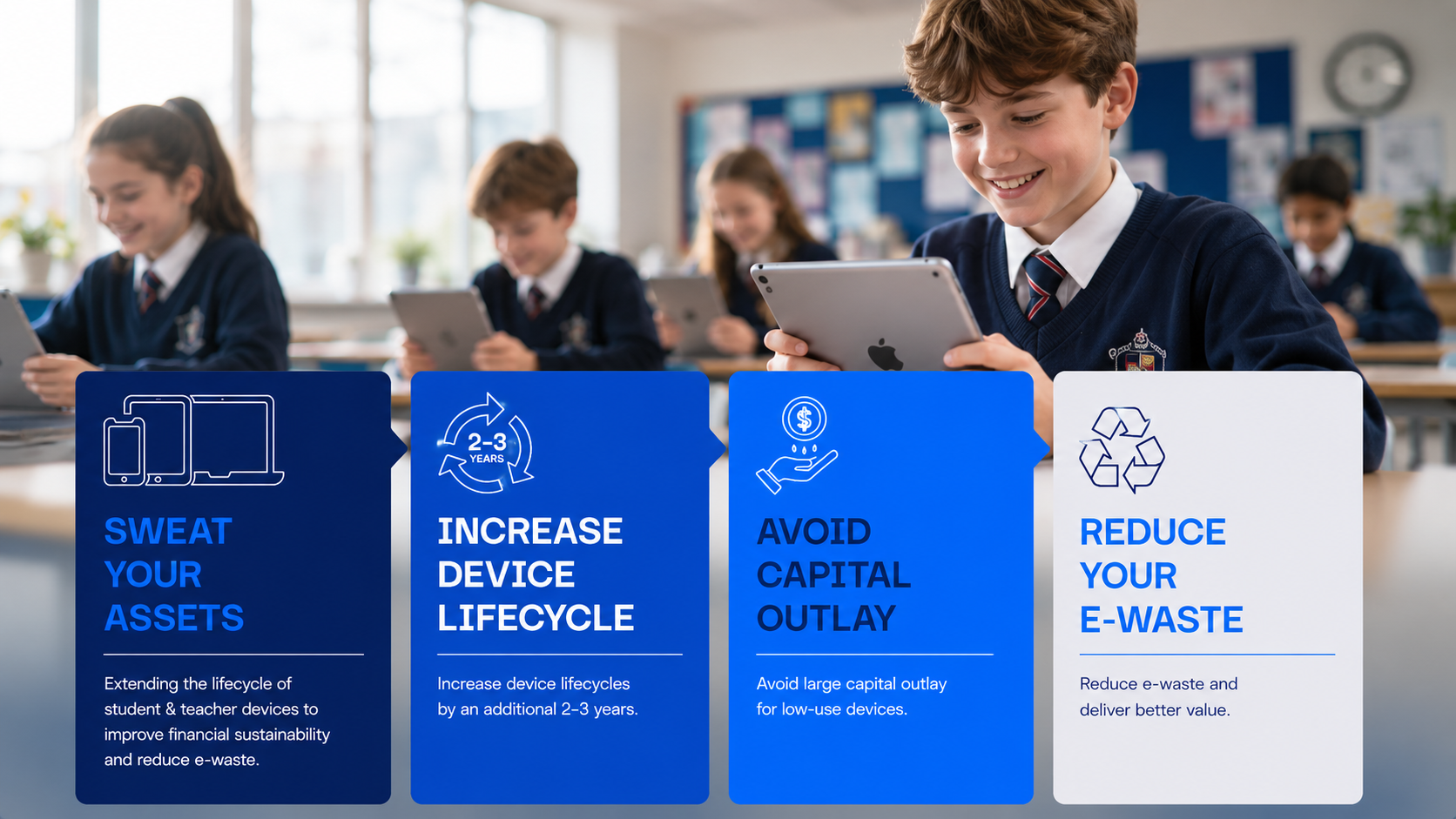
In reality, a well-managed device can often keep performing well for two or even three years beyond its planned replacement date. With the right protection, maintenance and lifecycle planning in place, schools can get more value out of the technology they already own, without unnecessary capital spend.
Introducing the Sweat Your Assets Approach
At Edutech Zone, we believe every school should get the maximum value from the technology it already owns before investing in a wholesale replacement.
Our Sweat Your Assets strategy is built around four practical principles.
- Increase Device Lifecycle. Extend the working life of existing devices through proactive protection, maintenance and lifecycle management.
- Avoid Large Capital Outlay. Reduce the need for big one off investments by spreading technology refreshes over a longer, more manageable period.
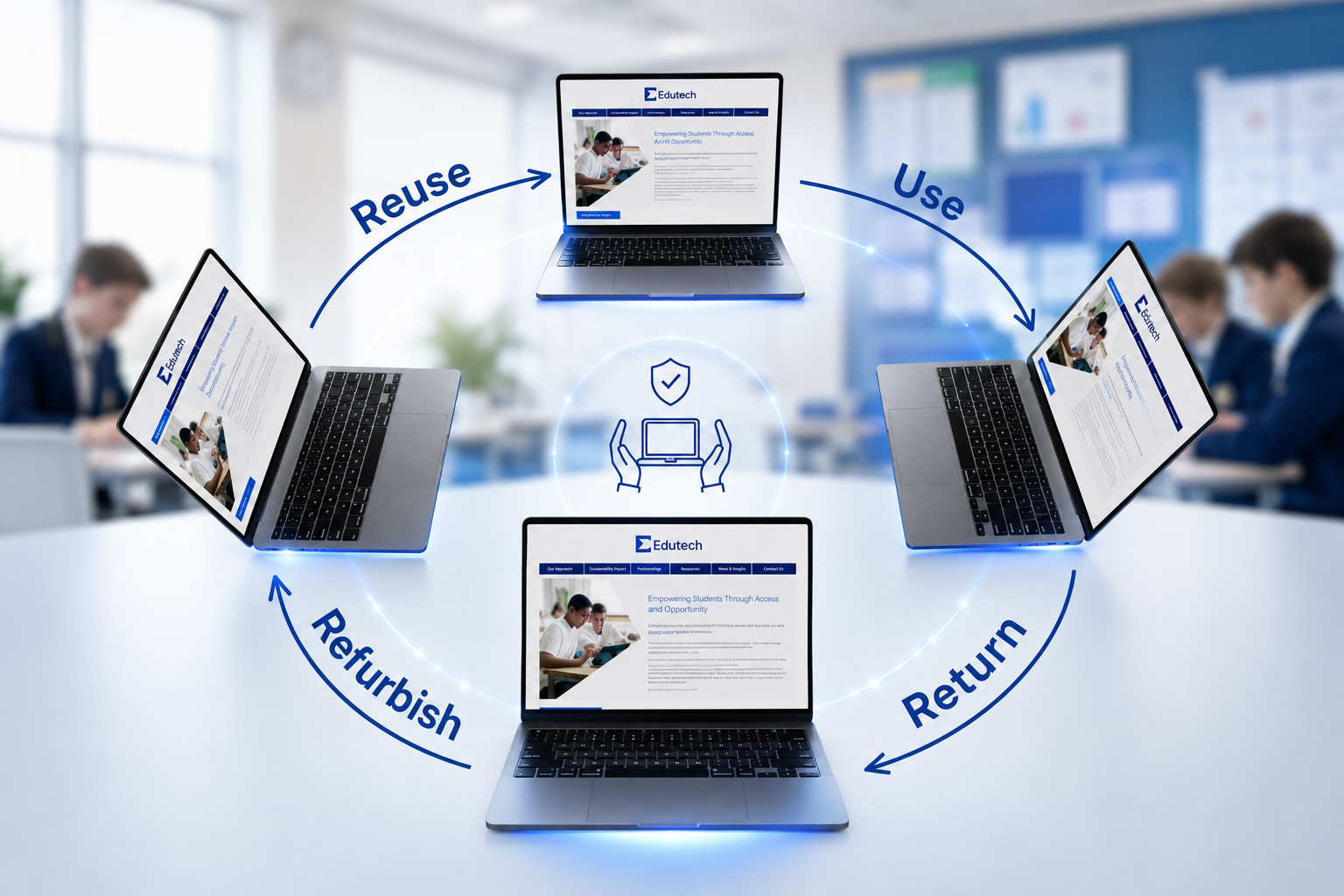
- Reduce E-Waste. Repair, refurbish and redeploy devices wherever possible, cutting environmental impact while making better use of existing assets.
- Create Predictable Budgets. Swap unexpected refresh costs for a planned, sustainable technology strategy that gives schools greater financial certainty.
Real Schools. Real Savings.
This isn't a theory, it's already delivering measurable results.
One secondary school extended the lifecycle of more than 400 devices from three years to five years, avoiding around £240,000 in replacement costs.
A Multi-Academy Trust postponed the replacement of over 1,000 devices, saving more than £500,000 in immediate capital spend, while still giving staff and students reliable technology.
These aren't one off success stories. They show what's possible when schools focus on getting the most from their existing technology estate, rather than automatically replacing it.
Before You Replace
Before committing to your next technology refresh, it's worth asking a few questions. How many devices genuinely need replacing today? Which devices could keep supporting teaching and learning for another year or two? Are we replacing technology because a refresh cycle says we should, or because the devices have actually reached the end of their useful life?
The answers could transform your technology budget.
Book a Free Edutech Device Lifecycle Assessment
Every school's technology estate is different.
Our specialists can review your current devices, warranties, protection arrangements and refresh plans to find opportunities to extend device life, reduce unnecessary spend, and build a more sustainable technology strategy.
As technology costs continue to rise across the industry, there's never been a better time to make sure you're getting the maximum value from every device you already own.
Spend smarter. Extend further. Protect your investment.
Book your free Edutech Device Lifecycle Assessment today.
Frequently Asked Questions
Why have technology costs suddenly increased for schools?
Manufacturing costs, component shortages, logistics and energy prices have been pushing up device prices gradually for the past year. Apple's global price increase on education devices, announced on 25th June, has brought the issue into sharp focus because it took effect overnight rather than gradually, but the pressure on prices is affecting the whole industry, not just Apple.
Does this only affect schools using Apple devices?
No. While Apple's announcement triggered the conversation, schools running Microsoft, Lenovo, HP, Dell or Google devices are facing the same rising cost pressures. Getting more value from your existing devices matters regardless of which manufacturer you use.
How much longer can school devices realistically be used?
With the right protection, maintenance and lifecycle management, many devices can continue performing well for two to three years beyond their originally planned replacement date, rather than being retired purely because they've hit a set age.
What does the Sweat Your Assets approach actually involve?
It's built around four principles: extending device lifecycles through proactive protection and maintenance, avoiding large one off capital outlays by spreading refreshes over time, reducing e-waste through repair and redeployment, and replacing unpredictable refresh costs with a planned, sustainable budget.
What happens during a free Edutech Device Lifecycle Assessment?
One of our specialists reviews your current device estate, warranties, protection arrangements and refresh plans, and identifies opportunities to extend device life, cut unnecessary spend and build a more sustainable technology strategy for your school or trust.
Is delaying a device refresh risky for teaching and learning?
Not when it's managed properly. Schools that have taken this approach, including a secondary school that extended over 400 devices from three to five years, and a Multi-Academy Trust that postponed replacing 1,000+ devices, have continued to give staff and students reliable technology while avoiding hundreds of thousands of pounds in unnecessary costs.